Healthy Foods That Support Blood Sugar Balance
Building a balanced plate does not require strict elimination or rigid dietary rules. Instead, it relies on adding nutrient-dense foods that work together to stabilize blood sugar levels and maintain energy throughout the day. When you consume carbohydrates alone, your body breaks them down quickly into glucose, causing a rapid spike in blood sugar followed by a sharp drop. Pairing these foods with fiber, lean protein, and healthy fats slows down digestion, leading to a steady, sustained release of energy.
The core challenge for Week 3 focuses on foundational habit changes: consuming five servings of fruits or vegetables daily, increasing dietary fiber, prioritizing whole grains, and incorporating lean protein. Regardless of whether you lean toward a Mediterranean pattern, a lower-carbohydrate approach, or simple home-style rural cooking, these building blocks support long-term metabolic health without forcing you into a single restrictive template.
The Four Pillars of Blood Sugar Balance
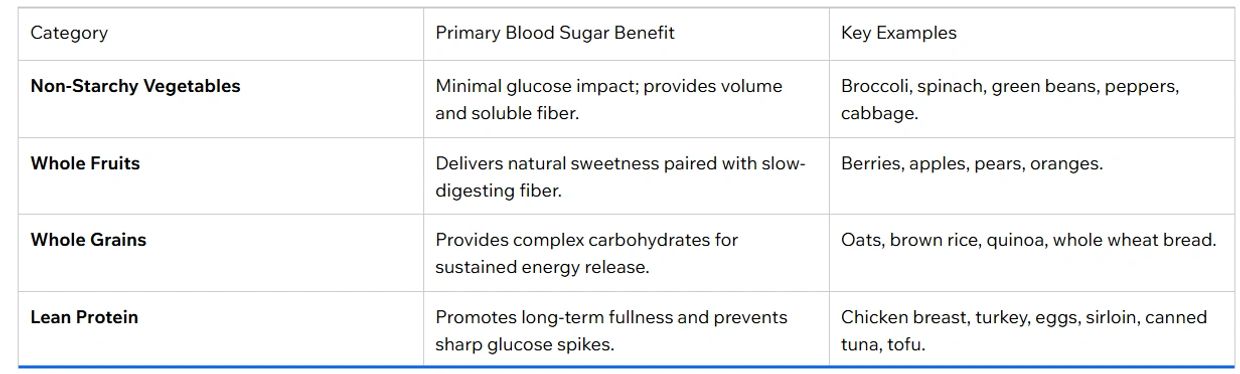
To construct meals that support steady blood sugar, focus on how different nutrient categories function in the digestive tract. Combining these pillars creates a natural buffering system against blood sugar spikes.
- Fiber-Rich Vegetables and Fruits: Non-starchy vegetables add bulk and essential micronutrients without significantly elevating glucose. Whole fruits provide natural sweet tastes combined with soluble and insoluble fiber that slows sugar absorption.
- Whole Grains: Unlike refined grains that have their outer bran and germ stripped away, whole grains retain their natural structure. This structure requires more time for the digestive system to break down.
- Lean Protein: Protein requires significant energy to digest, increases feelings of fullness by triggering satiety hormones, and has minimal immediate impact on blood glucose.
- Healthy Fats: Unsaturated fats delay gastric emptying, which further smooths out the blood sugar response when eaten alongside carbohydrates.
Hitting the Daily Target: 5 Fruits and Vegetables
Achieving five daily servings of fruits and vegetables is easier when distributed across all meals and snacks rather than attempted all at once at dinner. A standard serving size is generally one cup of raw leafy greens, a half-cup of cooked or chopped vegetables, or one medium whole fruit.
To make this daily goal realistic, aim for two servings at breakfast or morning snacks, one to two at lunch, and two at dinner.
- Breakfast: Add a half-cup of berries to oatmeal or mix a handful of spinach and chopped peppers into scrambled eggs.
- Lunch: Pack raw cucumber slices and bell pepper strips alongside a sandwich, or build a dense leafy green salad base.
- Snack: Pair an apple or pear with a protein source, such as a cheese stick or a handful of nuts.
- Dinner: Fill half your plate with roasted broccoli, green beans, or a fresh side salad.
Focus on variety across different colors, as varied colors indicate different protective antioxidants and nutrients.
Prioritizing Fiber and Whole Grains
Fiber is a carbohydrate that the human body cannot break down into sugar molecules. Because it passes through the digestive tract undigested, it slows the absorption of other nutrients eaten in the same meal, preventing sudden blood sugar spikes.
When choosing grain products, look at the ingredient list for the word whole as the first item (such as whole wheat flour or whole oats). Refined grains, such as white bread, white rice, and standard pasta, have been stripped of fiber, causing them to act much like simple sugars inside the body.
- Swap White Rice: Use brown rice, wild rice, or quinoa for extra fiber and protein.
- Upgrade Your Bread: Select 100% whole grain or sprouted grain bread containing at least 3 grams of fiber per slice.
- Incorporate Legumes: Beans, lentils, and chickpeas are powerhouses of both complex fiber and plant-based protein. Adding half a cup of black beans to a meal adds roughly 7 grams of dietary fiber.
Integrating Lean Protein for Fullness
Protein plays a critical role in weight management and A1C control. It acts as an anchor for meals, delaying gastric emptying and ensuring that you feel satisfied long after eating. Incorporating lean protein options ensures you get these benefits without consuming excess saturated fats.
Lean choices include skinless poultry, pork tenderloin, lean cuts of beef (such as top round or sirloin), fish, eggs, cottage cheese, and Greek yogurt. Plant-based proteins like edamame, lentils, and beans also provide exceptional balance.
Aim to include a source of protein about the size of your palm at every major meal.
Practical Application: Assembling the Balanced Plate
You can apply these principles using the simple visual guidelines of the Healthy Plate Method. This approach does not require counting calories or weighing food, making it sustainable for long-term health.
- Fill Half Your Plate: Non-starchy vegetables (salad greens, broccoli, green beans, cauliflower).
- Fill One-Quarter of Your Plate: Lean protein (chicken, lean beef, fish, eggs, or tofu).
- Fill One-Quarter of Your Plate: High-fiber carbohydrates or whole grains (brown rice, sweet potatoes, whole wheat pasta, or beans).
- Add a Small Portion of Healthy Fat: A thumb-sized amount of olive oil, avocado, nuts, or seeds.
By consistently using this structure for your meals, you satisfy your nutritional needs, support your Week 3 eating targets, and keep your blood sugar steady throughout the day.
Garden Produce, Farmers Markets, and Local Beef
Putting the principle of Food Is Medicine into practice does not require exotic ingredients or complicated recipes. In rural communities, high-quality nutrition often sits right in nearby gardens, regional farmers markets, and locally raised livestock. Choosing foods grown or raised close to home gives you direct access to nutrient-dense options that support stable blood sugar and long-term health.
Accessing Local Fruits and Vegetables
Fresh produce picked at peak ripeness offers rich flavor and optimal nutrient density. Sourcing fruits and vegetables locally makes it easier to meet your target of five servings per day while supporting local growers.
You can incorporate more fresh, local produce into your weekly routine through several common sources:
- Home and Community Gardens: Growing your own tomatoes, squash, peppers, and leafy greens gives you immediate control over your supply. Even a small patio container or shared community plot can provide fresh produce throughout the growing season.
- Farmers Markets and Roadside Stands: Local markets offer seasonally harvested produce. Planning meals around what is currently in season keeps costs down and introduces variety into your diet.
- Produce Swaps and Sharing: Gardening often produces surplus crops. Sharing extra zucchini, cucumber, or tomatoes with neighbors, church groups, or coworkers ensures good food does not go to waste.
Freshly harvested produce retains higher nutrient levels because it spends less time in transport and storage.
When fresh local produce is out of season, frozen or home-canned vegetables without added sugars or sodium serve as excellent year-round alternatives.
Healthy Preparation Rules for Local Beef
Beef is a staple in rural agricultural communities and serves as a concentrated source of high-quality protein, iron, and zinc. Protein plays a key role in blood sugar balance by slowing digestion and preventing rapid glucose spikes after meals. Preparing local beef in ways that support heart health ensures you gain these nutritional benefits without adding unnecessary saturated fat or calorie overload.
To keep beef meals aligned with your health goals, focus on lean cut selection and low-fat cooking techniques:
- Select Leaner Cuts: Choose cuts such as sirloin, tenderloin, flank steak, 90% or leaner ground beef, or round cuts. Trim visible edge fat before cooking.
- Drain and Rinse Ground Beef: After browning ground beef for soups, chili, or skillet meals, drain the rendered fat off before adding sauces or vegetables.
- Use Healthier Cooking Methods: Grill, broil, bake, or roast beef on a rack so fat drips away. Pan-sear in small amounts of olive oil rather than deep frying.
- Watch Sauces and Marinades: Commercial barbecue sauces, glazes, and marinades often contain high amounts of added sugar. Build flavor instead using garlic, herbs, citrus juices, vinegar, and spices.
Pairing a modest portion of beef with a plate filled mostly with local garden vegetables creates a balanced meal that maintains blood sugar control while honoring local food traditions.
Mediterranean and Keto Eating Patterns
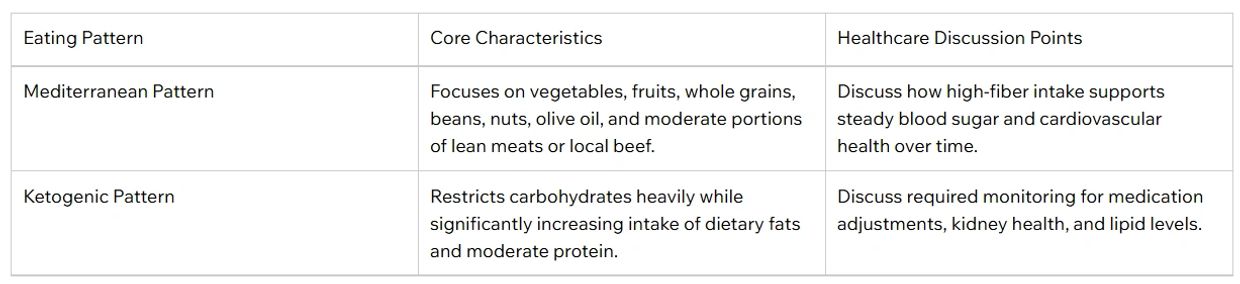
When using food to improve A1C and overall health, different eating patterns offer distinct frameworks. Two widely discussed approaches are the Mediterranean pattern and the Ketogenic (Keto) pattern. Because individual metabolism, health history, and medical conditions vary, discuss these options with a primary care provider or dietitian before making a dramatic shift in your daily diet.