
Week 7: Cook at home
Welcome to Week 7 of the Healthy Hive challenge. In earlier weeks, you focused on hydration, choosing balanced foods, and selecting smart snacks. Cooking at home brings all of these habits together into four nourishing meals prepared right in your own kitchen.
Bringing Food Is Medicine to Your Kitchen
Cooking at home gives you complete control over what goes into your body. Restaurant meals and pre-packaged convenience foods often contain hidden added sugars, excess sodium, and unhealthy fats that can cause blood sugar spikes and energy crashes. Preparing your own food allows you to directly apply the principles of using food as medicine.
Preparing meals at home is also one of the most effective ways to lower your weekly grocery and dining expenses. Buying basic whole ingredients in bulk or using local garden produce and lean meats costs significantly less per serving than purchasing prepared foods or eating out. Cooking at home protects both your health and your wallet.
The Three Elements of a Balanced Plate
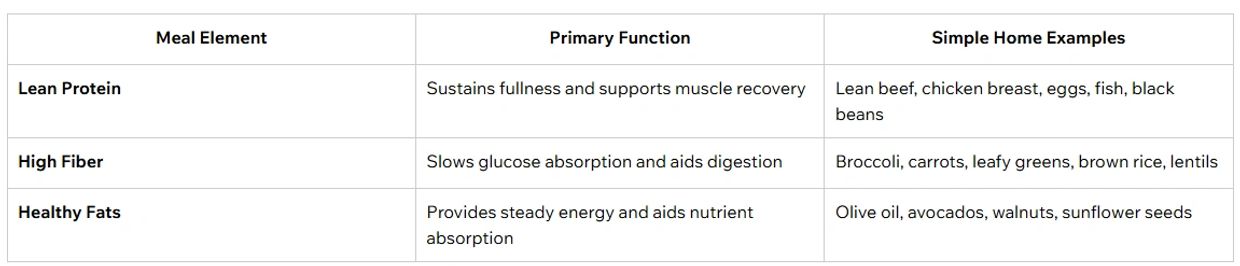
Planning a healthy home-cooked meal does not require complex culinary skills or expensive specialty products. You can build a balanced, blood-sugar-friendly meal by combining three core elements on your plate.
Planning Your Four Home-Cooked Meals
Your primary challenge this week is to cook four healthy meals at home. You do not need to cook from scratch every single night to build this habit. A straightforward plan makes reaching your goal manageable.
- Use recipes from Eat Real America!: You're welcome to use any recipe, but if you haven't checked out the site, now's a great time to log in! www.eatrealamerica.com.
- Check your existing supply: Inspect your pantry, freezer, and refrigerator before making a shopping list. Plan meals around basic staples you already have to save money.
- Select four realistic meal slots: Choose four specific days or times that fit your schedule. Quick skillet meals work well for busy weeknights, while weekends allow more time for batch cooking.
- Keep recipes simple: Pick meals that rely on basic ingredients and minimal preparation, such as sheet-pan chicken with vegetables or a quick lean beef stir-fry.
- Cook once and eat twice: Prepare double portions during two of your cooking sessions so that leftovers automatically fulfill your remaining meal goals.
Budget-Friendly Healthy Meals
Cooking at home gives you direct control over your ingredients, your budget, and your blood sugar. Preparing four healthy meals at home this week satisfies the Week 7 challenge while proving that eating well does not require an expensive grocery bill. By focusing on whole, budget-friendly staples, you can nourish your body and support steady A1C levels without overspending.
Core Health Principles: Fiber, Protein, and Real Foods
Understanding how specific nutrient groups affect your body makes meal planning simple and cost-effective. Instead of following complicated diet rules, build your meals around three core health principles that directly support blood sugar control and physical energy.
- Fiber for Blood Sugar Control: Dietary fiber slows down the digestion and absorption of carbohydrates. This prevents sharp spikes in blood sugar and helps keep your A1C in a healthy range.
- Protein for Lasting Fullness: Protein takes longer to digest than refined carbohydrates, signaling to your brain that you are full and keeping you satisfied longer between meals.
- Unprocessed Foods for Steady Energy: Highly processed foods often contain added sugars and refined starches that digest rapidly, causing energy crashes. Whole, minimally processed foods deliver sustained physical energy throughout the day.
Fiber slows blood sugar absorption while protein keeps you full, making them the ultimate pair for steady daily energy.
Affordable Food Staples for Blood Sugar Balance
Healthy eating on a budget relies on versatile ingredients that store well and provide high nutritional value per dollar. Combining plant-based fibers with lean proteins and whole grains allows you to create balanced meals without buying specialty items.
Assembling Your Four Challenge Meals
To complete your Week 7 goal, assemble four meals using ingredients you already have or can purchase economically. A reliable formula is to fill half your plate with non-starchy vegetables or fiber, one-quarter with lean protein, and one-quarter with a whole-grain or complex carbohydrate.
- Vegetable and Bean Chili: Combine canned tomatoes, black beans, kidney beans, lean ground beef or turkey, and chili spices. This meal provides massive fiber and protein for a low cost per serving.
- Sheet Pan Chicken and Roasted Vegetables: Toss sliced chicken breast, broccoli, and carrots with olive oil and spices, then bake on a single tray. Frozen or fresh vegetables work equally well.
- Egg and Vegetable Skillet: Scramble eggs with spinach, peppers, and onions, served alongside a slice of whole-wheat toast. Eggs are an inexpensive protein source for dinner or breakfast.
- Brown Rice and Lentil Bowl: Cook lentils and brown rice together, then top with roasted or steamed canned green beans and a light sauce. This delivers complete protein and high fiber on a tight budget.
Recipe Swap Contest
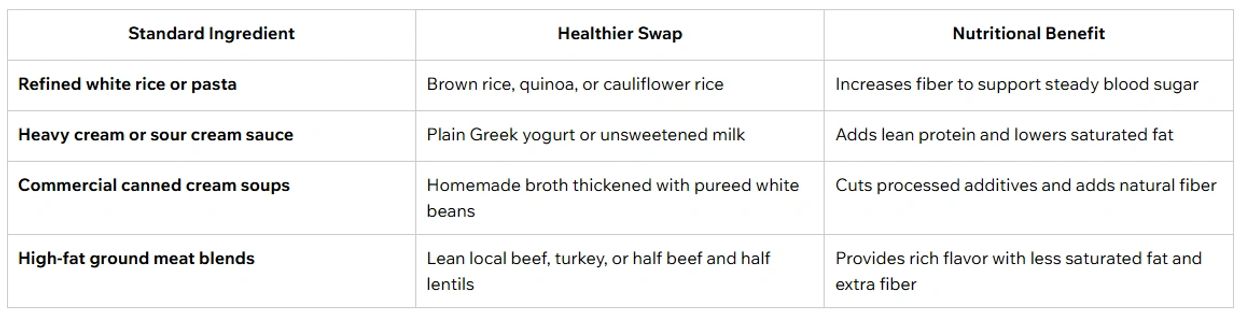
Modifying familiar home-cooked recipes lets you keep the flavors you love while improving your blood sugar and energy levels. You do not need to abandon local favorites like beef chili, casseroles, or baked chicken. Instead, small adjustments in ingredients can significantly increase fiber and protein while lowering highly processed carbohydrates and added sugars.
Fiber slows down digestion to prevent sudden spikes in blood sugar, while lean protein helps you stay full longer. Reducing processed sauces or pre-packaged seasoning blends also cuts out hidden sodium and sugar.
Connecting Through the Recipe Swap and Cooking Classes
Sharing practical meal ideas with the Healthy Hive group makes healthy eating easier for everyone. The Week 7 Recipe Swap Contest encourages participants to share their favorite home-cooked dishes or modified recipes with the community. You can submit recipes online through the discussion board or bring a written copy to the next group meeting.
In addition to the swap, community cooking classes led by local instructors, such as Krista's hands-on cooking demonstration, provide opportunities to watch these technique updates in real time. Attending a cooking class helps you learn practical knife skills, test alternative seasonings, and taste modified recipes before cooking them at home.
- Submit your adapted recipe to the discussion board or bring it to the local meeting to earn your weekly participation points.
- Attend a local cooking demonstration to see how simple tweaks improve the taste and nutritional quality of everyday meals.
- Try at least one new dish shared by a fellow Hive participant during your weekly meal preparation.
Practical Steps to Adapt Your Own Home Recipe
Taking a traditional family recipe and adjusting it for better nutrition takes only a few deliberate steps. Use this simple approach before preparing your dish for the Healthy Hive Recipe Swap:
- Identify the baseline ingredients: Look at the main carbohydrate, protein, and sauce components in your original recipe.
- Boost the fiber: Add extra vegetables, swap refined grains for whole grains, or stir in a canned bean option like black beans or pinto beans.
- Increase the protein: Use lean local meats, eggs, or plant-based proteins like lentils to build a satisfying meal.
- Reduce processed additives: Replace pre-made packaged sauces or soup bases with simple herbs, garlic, onion powder, and low-sodium broth.
- Taste and refine: Prepare a test batch at home, adjust spices as needed, and write down the modified measurements so you can share the recipe with the group.
Healthy Hive Recipe Swap Submission Form
Use this simple structure when EMAILING your recipe to HCHF to share with the group:
- Recipe Name: Name of your dish.
- Original Local Favorite: Describe the traditional version.
- Healthy Tweaks Made: List the fiber, protein, or low-processed ingredient swaps you used.
- Preparation Instructions: Outline the step-by-step cooking process.
- Email to HCHF